From Teen Crushes to Adult Relationships: Chasing Connection

As a child, I was cripplingly shy. I didn’t have many friends, and my earliest memories of preschool and kindergarten in Chicago are filled with feelings of ridicule, teasing, and isolation. When I tried to fit in, I was shut down. I had one best friend, but beyond that, I often felt alone.
When my family moved from Chicago to Orlando in the summer of 1994, it was an opportunity to start fresh—though, at six years old, I didn’t recognize it as such. I made a few friends, but the teasing continued, particularly from a few kids in my grade. I remember crying at recess, hiding on the playground because of how I was treated. I lacked confidence and became more introverted, a pattern that followed me into my middle school years.
Over time, I developed the confidence to stand up for myself against bullies, but the social isolation and low self-esteem remained. These feelings shaped how I interacted with boys when adolescence—and hormones—turned me into an awkward, self-conscious teenager.
Chasing Connection
My high school relationships were never long-lasting. Sometimes, they came about out of convenience rather than true emotional connection. My self-esteem was so low that when I had a crush, I would seek every possible opportunity to be around that person. Whether it was finding an excuse to sit next to them in class, befriending their friends so I could be in their orbit, or even doing their homework just to feel useful—I found ways to insert myself into their lives.
It wasn’t healthy, but my brain was wired to seek that reward, regardless of how it affected me emotionally.
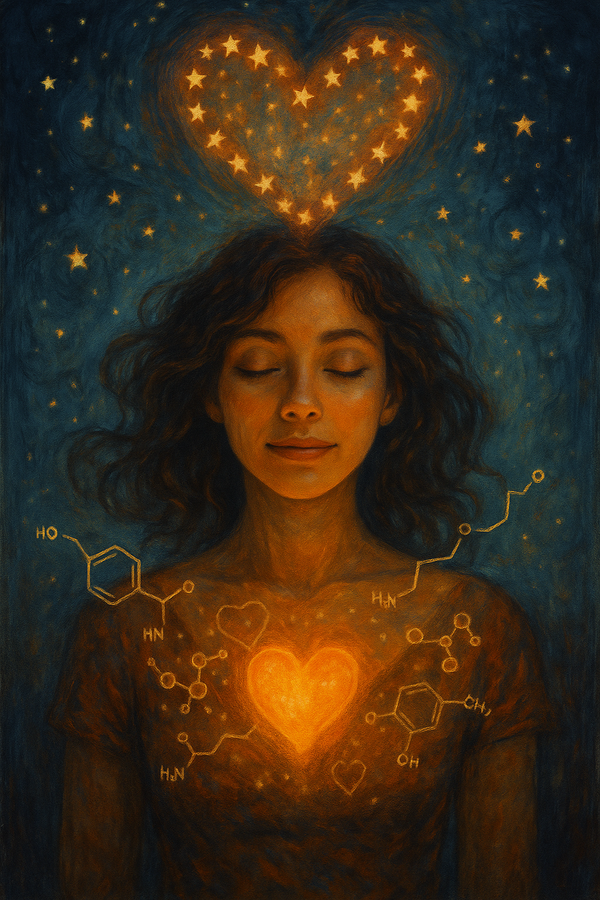
In my last post, I wrote about my first real boyfriend and how being with him gave me an intense emotional high. My brain craved that dopamine rush, but when we broke up, that supply was suddenly cut off. The resulting depression was something I didn’t understand at the time. Unfortunately, this became a pattern.
Between the ages of 15 and 19, I struggled with these emotional highs and lows. I felt like an ugly duckling, uncomfortable in my body, hiding behind baggy clothes, pulling my thick curly hair into a tight bun, and feeling self-conscious about my glasses and crooked smile. When I developed a crush on a boy, the rush of good feelings temporarily lifted me out of the depression that had become my emotional baseline. But the cycle was brutal: I'd engage with a boy, feel good, work up the courage to ask him out, get rejected, and spiral back down.
By 11th grade, I had a couple of boyfriends, but the relationships were short-lived. Two lasted only a month. Another should have lasted only two weeks, but because I was so addicted to the dopamine highs, it dragged on for two years in a cycle of breaking up and getting back together. I stayed because familiarity felt good. My self-esteem was so low that I clung to any source of validation, even when the relationship wasn’t right.
From Teen Crushes to Adult Relationships
As I entered adulthood, I transformed. I no longer looked like the awkward teenager I once was. Suddenly, I was attracting attention from men in ways I never had before. The experience of being pursued—something that had once felt unattainable—became intoxicating. The newness of dating, the thrill of flirting, the rush of feeling desired—it all gave me a dopamine hit I didn’t yet understand.
But my low self-worth hadn’t disappeared. My early 20s were dominated by a toxic, abusive relationship. My depression lingered, and despite my outward transformation, I still saw myself as unworthy. The emotional, psychological, and eventually physical abuse in that relationship kept my dopamine levels low, yet I stayed far longer than I should have. When I finally escaped, I had unknowingly developed unhealthy coping mechanisms that followed me into my late 20s and marriage.
I sought constant validation from strangers online, pursued random encounters, and engaged in inappropriate emotional connections—all in an effort to chase the feelings of excitement, attention, and connection that I craved.
After my marriage ended and a subsequent relationship failed, I finally sought therapy. Throughout both relationships, I had felt like something was inherently wrong with me, but I couldn’t pinpoint what. My then-husband even told me I had borderline personality disorder, and for a time, I believed him. It wasn’t until years later—after extensive therapy, medication, and a new relationship—that the pieces finally started coming together. The real answer had been ADHD all along.
Understanding the Pattern
Since my ADHD diagnosis in 2023, my world has shifted. I’ve been able to come off anxiety medication, lift the cloud of depression that had weighed me down for years, and finally understand myself in ways I never could before.
Looking back, I see how much of my life has been shaped by dopamine-seeking behaviors. My obsessive crushes, my unhealthy relationship patterns, my impulsive decisions—they all tie back to my brain’s constant search for that next hit of dopamine.
I can’t change the past, but I can learn from it. Recognizing these patterns has given me the ability to make healthier choices. Instead of chasing fleeting dopamine highs, I’m working on finding sustainable, fulfilling sources of happiness. It’s a journey, but one I’m finally navigating with clarity.