Chasing Dopamine: The Endless Pursuit of Motivation and Fulfillment
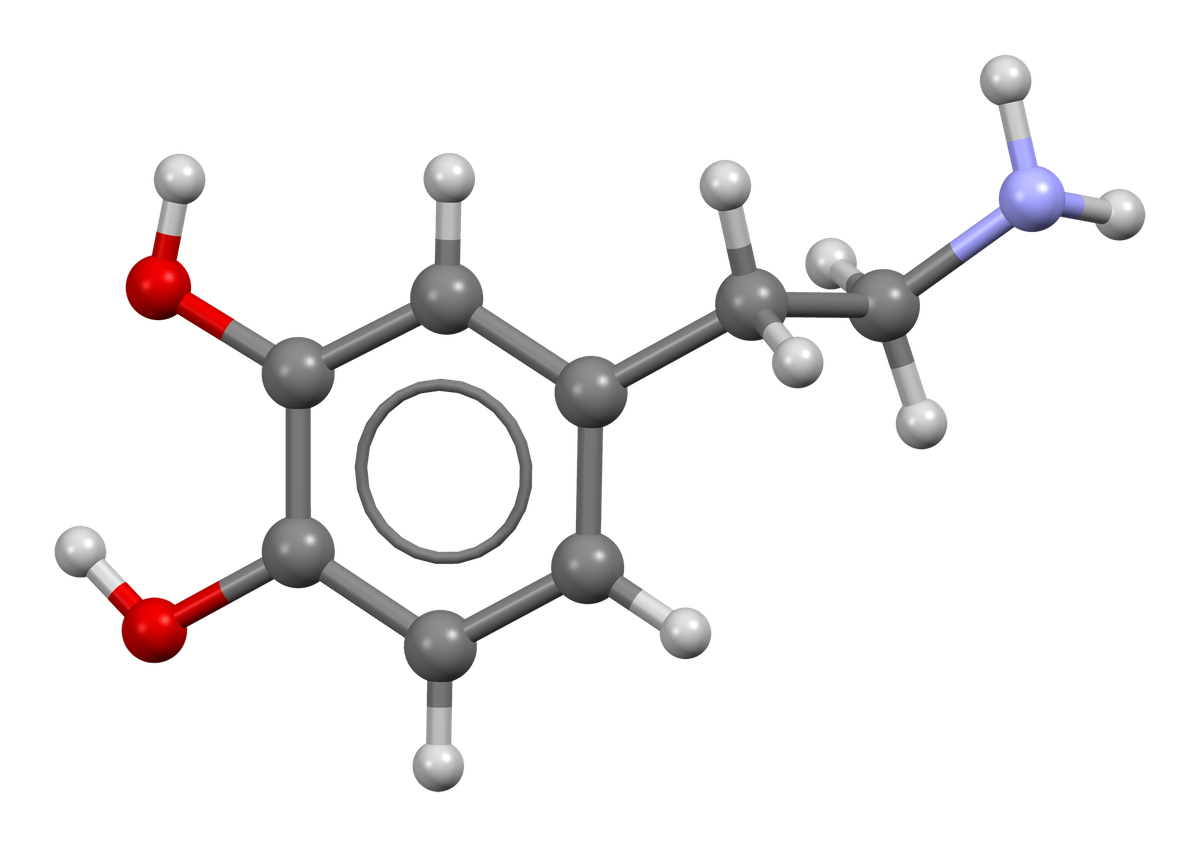
Introduction Dopamine—the brain’s chemical reward system—drives much of our behavior, often without us even realizing it. For those with ADHD, like myself, the chase for dopamine can shape daily decisions, productivity, and even life paths. But what about those who don’t have an official diagnosis? Can they still feel trapped in the cycle of constantly seeking the next hit of excitement, novelty, or fulfillment? I have decided part of this blog will be podcast style interviews with friends, family, a colleagues to get their personal stories of how dopamine has affected their lives and gain further perspective and insight into this topic. To explore this, I sat down with Aleksey Volchek, a real estate media business owner and self-proclaimed dopamine chaser. His journey—from Hollywood dreams to entrepreneurship—is a fascinating case study of how the brain’s reward system influences motivation, decision-making, and the struggle to find true satisfaction. The Dopamine Chase: Hollywood, Business, and Abandoned Dreams Volchek’s story is a familiar one to many creatives. He spent time in Hollywood, chasing the allure of fame and success. When that didn’t pan out, he pivoted to real estate photography, building a business he now hopes to sell for a “bazillion dollars.” But, as we talked, a clear theme emerged—he thrives on starting new things but struggles with finishing them. "Starting something new is exciting," he admitted. "But I never finish it. I chase the newness, and once that initial dopamine hit wears off, I lose interest and move on." This cycle is common among ADHDers, but even without a diagnosis, the pattern is striking. The thrill of a fresh challenge keeps him engaged, but long-term perseverance? That’s where things fall apart. The Ego vs. Progress: Why Self-Reflection Can Be a Trap Years ago, Volchek attempted a YouTube series where he worked through Think and Grow Rich chapter by chapter, documenting his self-improvement journey. Ironically, he found that the act of documenting his struggle prevented him from overcoming it. "If I break through the struggle, the ego I’ve built around struggling dies. So does it really want to break through?" That question hit hard. Many of us get stuck in self-reflection, analyzing our struggles instead of moving past them. Whether it’s an internalized identity of being “scatterbrained” or a fear of what comes next if we actually succeed, we can become addicted to the struggle itself—because it keeps the chase alive. Dopamine, Motivation, and the Fear of Goals Volchek's struggle with goal-setting is another key insight. He sets goals but doesn’t truly believe in them. "I’ve set goals before and never achieved them, so what’s the point? I know goals are important, but I lack faith in them." That hesitation is deeply tied to dopamine regulation. For many with ADHD (or ADHD-like tendencies), long-term goals don’t provide the instant reward our brains crave. Without an immediate dopamine hit, motivation fizzles out. Instead, we turn to things that do give us that rush—new ideas, quick wins, or even distractions like social media, shopping, or impulsive hobbies. Finding Healthy Dopamine Hits If the problem is chasing dopamine in unproductive ways, the solution is redirecting the chase into positive outlets. We discussed small but effective ways to hack dopamine production: Exercise: Volchek recently discovered that keeping kettlebells in his bathroom helped him integrate short workouts into his routine. "If I’m already there, why not do a quick workout before I shower?" Body Doubling: Having someone else present—even if they’re just in the room—makes tasks easier. Whether it’s a workout partner, a co-working session, or even a podcast in the background, external stimulation can help us push through mundane tasks. Delayed Gratification: Instead of chasing the quick dopamine rush, training the brain to appreciate long-term rewards can help break the cycle. Structured workouts, creative projects, or career advancements all require sustained effort, but they offer greater fulfillment in the long run. The Bigger Picture: Balance and Awareness At the end of our conversation, one truth became clear: chasing dopamine isn’t inherently bad. It’s what drives us to explore, create, and take risks. But when left unchecked, it can lead to a constant cycle of starting without finishing, seeking without finding, and chasing without ever feeling fulfilled. Volchek’s story is a reminder that whether or not we have ADHD, understanding our own dopamine-driven behaviors is key to hacking our motivation. The goal isn’t to eliminate the chase—it’s to make sure it’s leading somewhere worthwhile. because I think our interviews of each other will add depth, so the playfulness outside of that will balance. Personal Reflection: Seeing My Own Chase More Clearly Having this conversation with Volchek reinforced something I’ve been working on in my own life—awareness is everything. Before my ADHD diagnosis, I was constantly chasing dopamine without realizing why. I sought out instant gratification—whether through shopping, food, or impulsive decisions—because my brain was wired to crave that rush. But understanding the science behind it has given me the power to redirect the chase in healthier ways. Volchek’s struggles with finishing what he starts, setting goals, and staying motivated without quick rewards felt all too familiar. But the difference now is that I see the patterns for what they are. Instead of letting dopamine control me, I’m learning to control how I seek it. Whether it’s through exercise, meaningful projects, or simply being mindful of my choices, I’m slowly breaking free from the cycle of endless chasing. The goal isn’t to stop wanting dopamine—it’s to make sure I’m chasing the right things. The full interview will be available to listen to soon.